A look back at where we started, a celebration of the wonderful clients and experiences that helped us grow and our plans for the future.
As business owners, we’re all usually heads-down in the day-to-day, but a milestone like ten years makes you look up, look around and notice where you’ve got to. We’ve enjoyed taking time to reflect on the businesses we’ve had the privilege to grow alongside and the moments that shaped how we work today.
From a sole trader operation in December 2015 to the specialist company we are now, Webcetera has always focused on building websites with care and giving every client our full attention and support for as long as they need it. We’re incredibly proud of what we’ve created.
Where it started
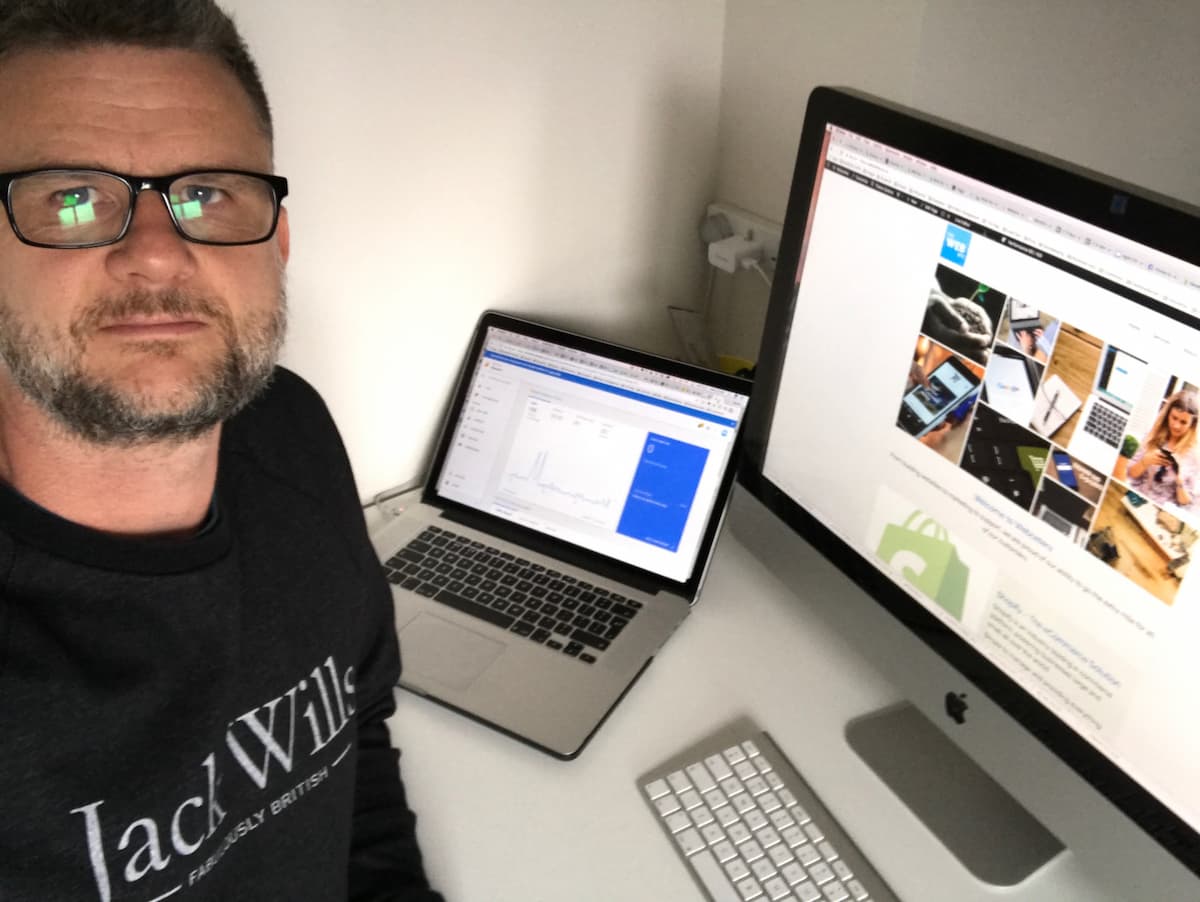
Before I started Webcetera I spent over 15 years working as a Web Developer, Digital Content Developer and Project Manager at Local Authority-funded companies. My interest in websites was more than just a job, though. I’d spend my spare time experimenting with tools and keeping up to speed with the latest web technologies and industry-wide practices that impact website development.
The more experience I gained, the clearer it became. The best outcomes happened when there was a direct connection between the people doing the work and the clients. Where relationships were strong and vision was shared, the results spoke for themselves.
I wanted the freedom to build that support system on my own terms. A setup where I could stay directly connected to clients, make decisions quickly, and focus on long-term partnerships instead of short-term deliverables.
When the opportunity came to start my own business, I didn’t hesitate. And here we are now, a small website design agency in Brigg, building websites for clients worlwide.
Building sites and relationships
I spent the first year or two as a sole trader, working closely with small businesses in Brigg and Scunthorpe that needed reliable, ongoing website support. Most partnerships centred on WordPress brochure-style websites, and I enjoyed being the person they would call when something needed optimising, when they needed advice or when they were ready to grow. There was no building-and-disappearing, and that ‘everything websites’ approach has carried through to today.
In 2018, Paul came on board, and it felt right to formalise what we’d built. We became Webcetera UK Ltd because our clients deserved to work with an established business that they could trust.
Around the same time, cloud-based platforms were gaining momentum, and we started receiving more requests about ecommerce and Shopify specifically. We’d always been advocates of tools that worked seamlessly together and made life easier for our clients. ecommerce was a natural next step.
Gaining trust with big brands
Working with Cream Cornwall in early 2017 was a turning point. They were our first well-known regional brand, and supporting them with their Shopify site proved we could deliver big-business thinking with the hands-on, personal service of a small business.
Though Cream Cornwall eventually moved on to a more local marketing company, we’d caught the attention of other established brands, including Approved Technology, ATGBICS and Pipers Crisps.
Our work with Pipers led to a close working relationship with Katy Hamblin, their Marketing Manager at the time. When Pepsico acquired Pipers and brought everything in-house, we stayed in touch with Katy. We valued the relationship and our shared insight. We couldn’t have predicted it, but that trusted relationship led to another big achievement for us down the line.
Becoming a Shopify Partner and Webflow specialist
We gained traction quickly with Shopify and became Shopify Partners, later being invited to become a Select Partner in recognition of our proven track record helping Shopify businesses grow. Being listed in the Shopify directory of recommended partners was not just a badge - it was validation that we consistently delivered for our clients.

A short while after this, we discovered Webflow. The platform felt intuitive in the same way Shopify did. It was modern, reliable, secure and designed to empower both developers and clients. Best of all, it allowed us to create sites tailored precisely to each business’s needs while providing the assurance of a secure, fully managed hosting provision.
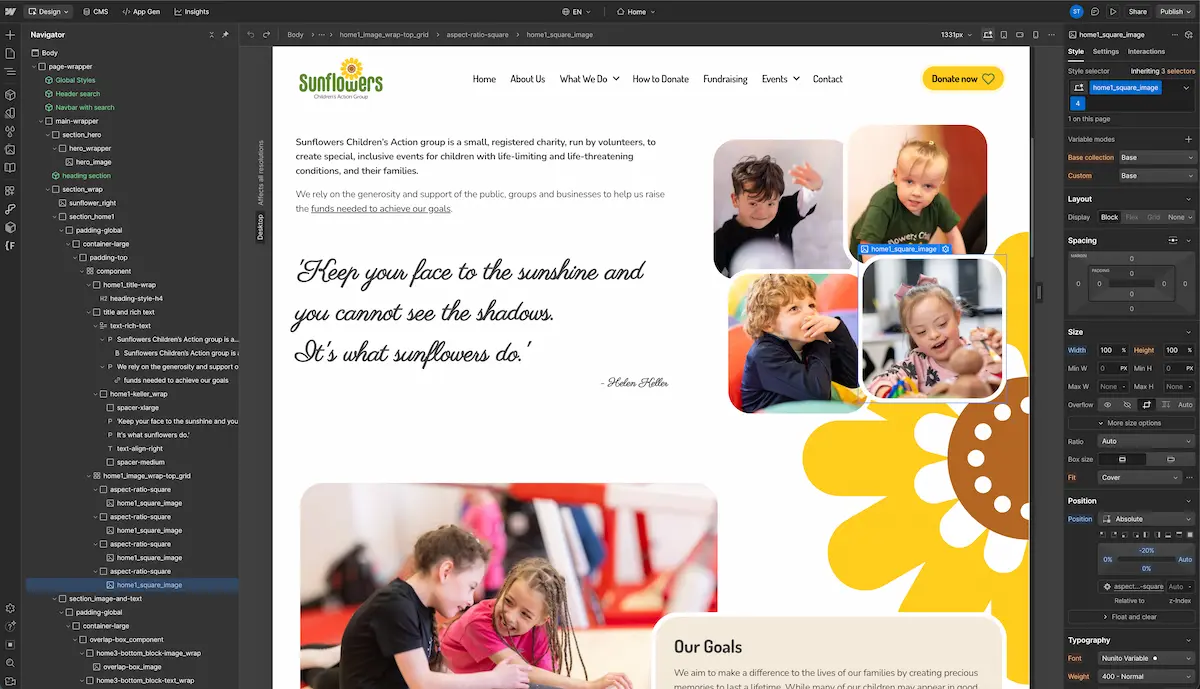
We started recommending Webflow over WordPress in most cases. While we still support WordPress clients (and always will), Webflow delivers a smoother, cleaner experience for everyone involved.
Prioritising long-term partnerships
When Katy left Pipers, she joined PACK'D – a small company with ambitious plans in the food and beverage industry. We soon started working with PACK’D to support them with their Shopify website, from improving conversion rates to SEO and day-to-day support with a complex subscription-focused setup.
We are now a £1m turnover D2C business and we wouldn't have achieved this without you guys. Thank you.
Katy Hamblin, PACK'D
We’ve worked with PACK’D ever since, watching them grow and feeling proud to be a small part of that success. It’s one of those projects that keeps reminding you why you started a business in the first place.
To us, long-term partnerships aren’t just good for business, they’re what make our work meaningful. Getting to truly know our clients, understanding their challenges, celebrating their wins and showing up as an extension of their team is what we’re here for.
Choosing to specialise
Over the past ten years, the web development industry has shifted quite dramatically. A decade ago, developers had a wide approach, building anything on any platform. Now, for us anyway, it’s about specialising deeply to get real, consistent growth.
We focus on Shopify and Webflow because we’ve seen these platforms evolve dramatically, consistently delivering for clients:
Mobile-first is built in
10 years ago, responsive design was important. Now, it should be a given – websites should work equally well on all devices. Mobile-first and responsive design isn’t an add-on. It’s core to both Shopify and Webflow.
Speedier loading with cleaner code
Page speed matters for ranking, and both platforms handle it, meaning no constant optimisation battles.
Accessibility from day one
Webcetera have always treated accessibility as standard practice for excellent UX. Specialising in Shopify and Webflow means we can build it in from the start.
AI that actually helps
Both platforms have integrated AI tools that improve effectiveness and efficiency. Keeping up-to-speed with AI, knowing how it can help (and hinder), along with our platform expertise, means we can use new features immediately and advise clients on what is genuinely useful.
What’s next?
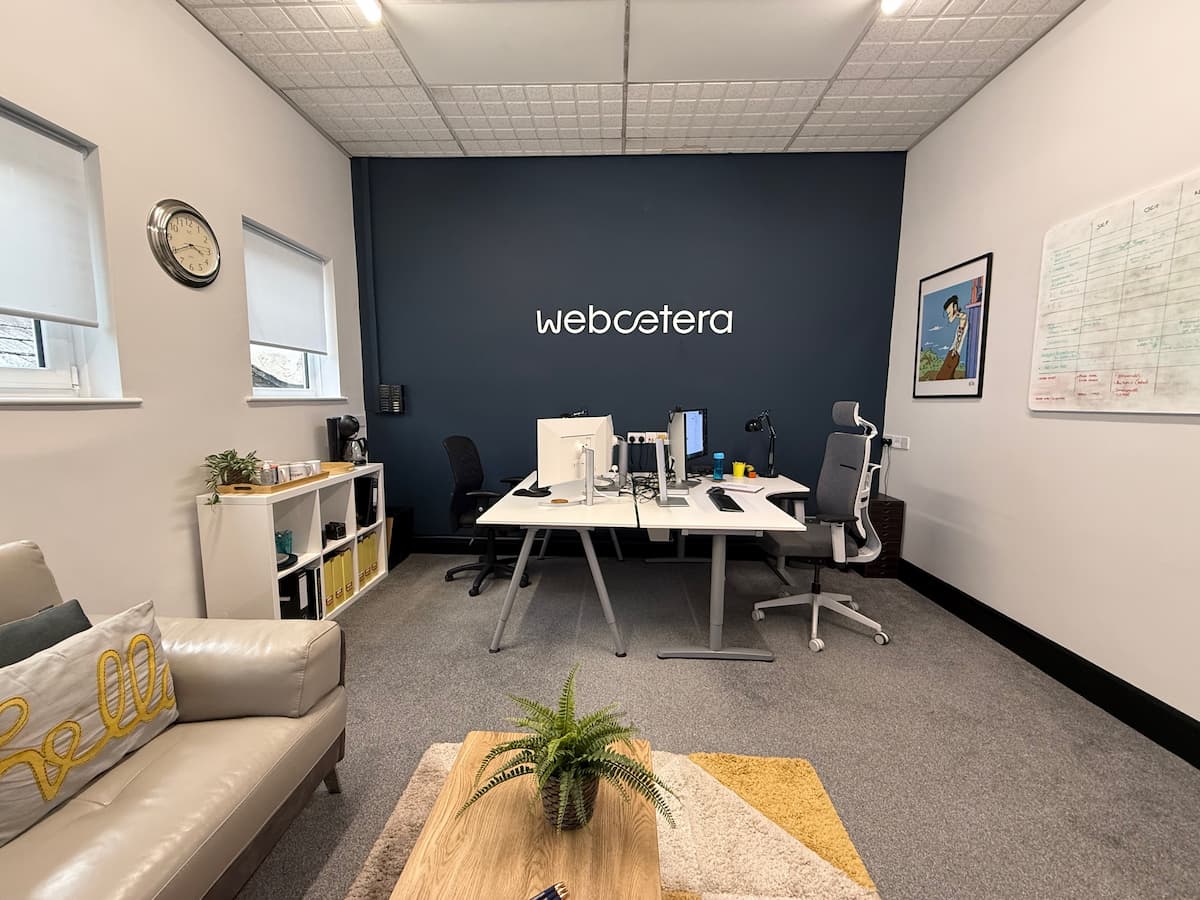
We’re proud supporters of every client we’ve worked with - past and present. Thank you for trusting us with your businesses, for the collaborative relationships we’ve built, and for letting us be part of your growth.
Looking ahead, Webcetera will continue doing what we do best. We’ll support WordPress clients who need us, build intuitive Webflow sites that perform reliably and help ecommerce businesses increase conversions through carefully crafted Shopify stores.
Webcetera will keep showing up with the same care, attention and genuine investment in your success that we brought on day one because ten years have taught us that’s what matters most.
A huge thank you to all the people we've worked with, who we've supported and who have supported us. Here’s to the next ten!